Building Community.
Community is a feeling of fellowship with others, the result of sharing common interests and goals. Everyone, in every community, cares about what they eat and has a need for fresh foods. A locally owned grocery store creates a social hub with a heart that produces a natural community gathering spot. Be it a large urban area or a rural community center, people are drawn to the fellowship of sharing food and drink. Creating inviting community spaces for meetings, events, or a fun night out with friends is essential to maintaining an enriching lifestyle.
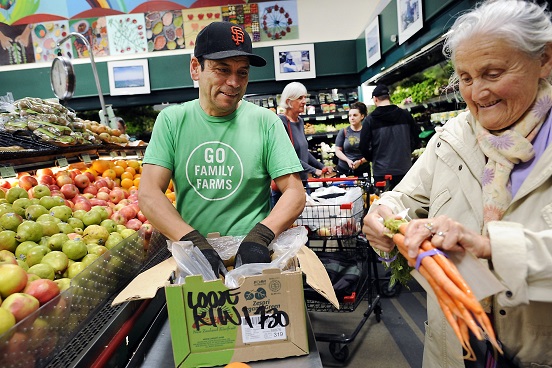
Our team includes experts in full-service grocery chains. We like the cooperative model because we feel it is the most sustainable option for most municipalities. That said, we also have connections with established grocery retailers. Understanding your communities needs are our first priority and our last assessment.
Food co-ops are retail Co-operatives that are owned by the people who shop there. This means that food co-ops are owned by members of the community – not outside investors. Each member-owner has a say in decisions that affect the co-op; and instead of paying outside investors, co-ops return their profits to their member-owners in the form of patronage refunds – dividends, cash, discounts, or store credit. Food co-ops source products from more local farmers and producers, donate proportionally more dollars to charity, have better worker wages and benefits, and give back more to the local economy than traditional grocery stores.
Here are a few examples of successful Food Co-ops:
Third Places

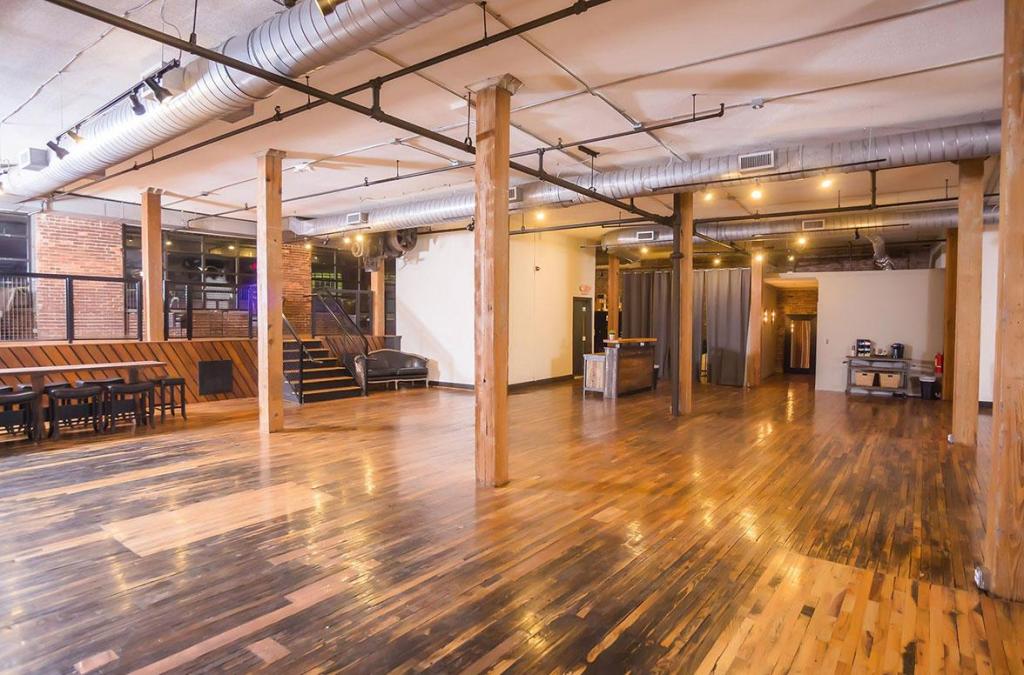

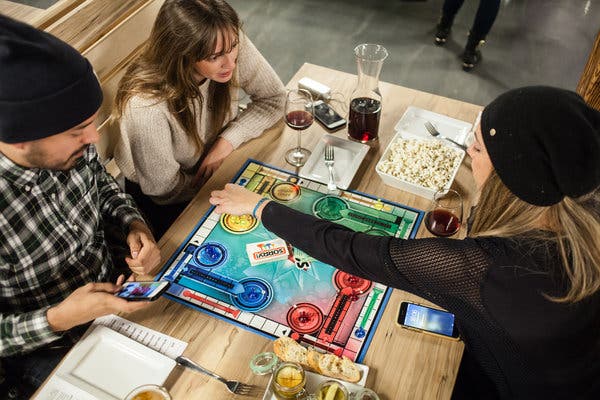
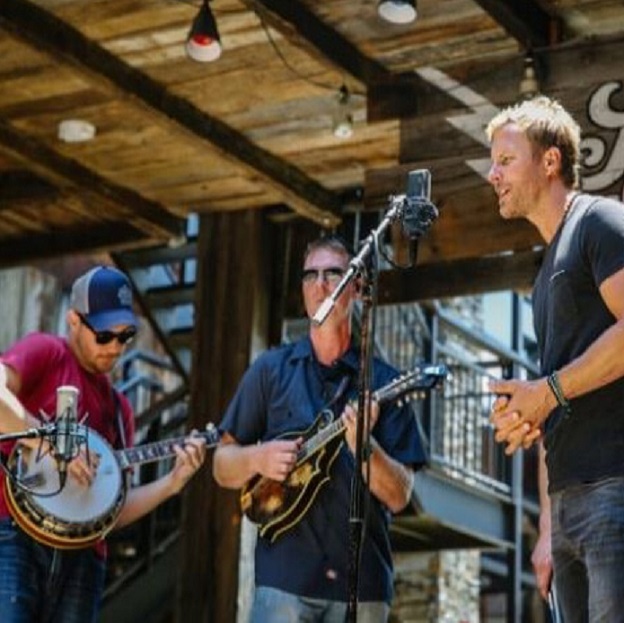


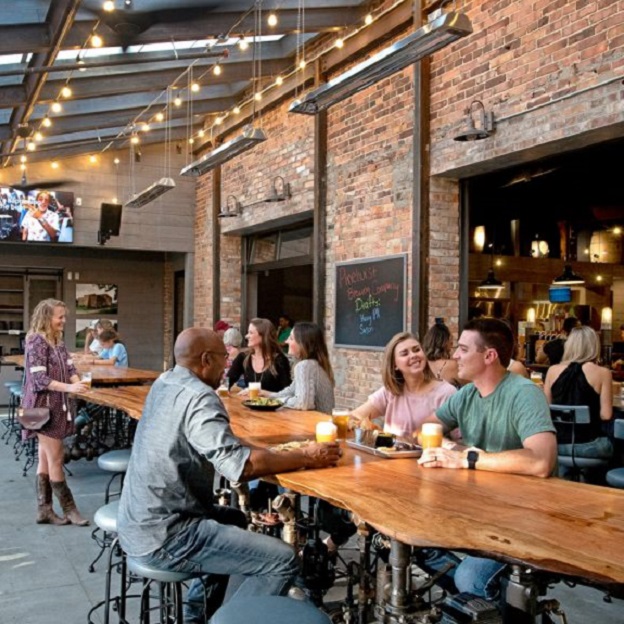

“Third places” is a term coined by sociologist Ray Oldenburg and refers to gathering places where people spend time between home (‘first’ place) and work (‘second’ place). While work is a structured and formal social experience and home is a private experience, third places are more relaxed environments in which people feel comfortable and to which they return time and again to socialize, to relax, and to enjoy
the company of those around them.
Good third spaces are abuzz with conversation and yield spontaneous relationships between people from different social and economic backgrounds—essential for building strong communities, creating empathy between people, and maintaining a view of oneself as part of a something larger. Informal conversation is the main activity and most important linking function. Third places are the “living room” of society.
 Downtown Gather & Grow